
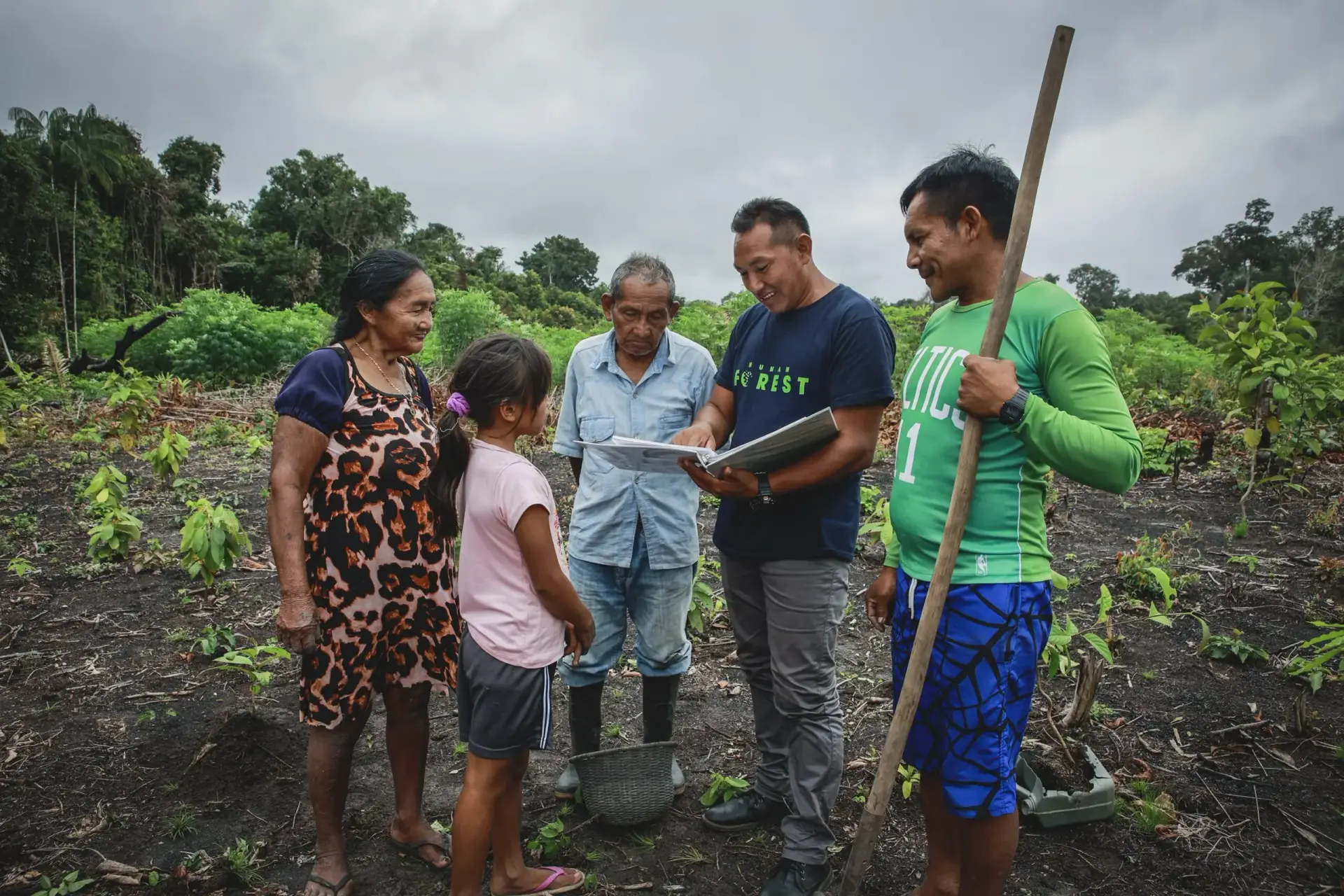
REDD+ projects (Reducing Emissions from Deforestation and Forest Degradation) are a vital part of the global effort to combat climate change. These initiatives focus not only on forest preservation but also on improving the quality of life for the communities that inhabit them, creating a positive impact on the environment and social development.
Environmental Impact: Emission Reduction and Forest Conservation
One of the most significant benefits of REDD+ projects is their contribution to reducing greenhouse gas emissions (SDG 13). In Colombia, deforestation rates have decreased over the last four years, in part thanks to projects like these. According to recent figures, deforestation in Colombia has decreased by around 34% since 2018, which has played a key role in protecting biodiversity and combating climate change (SDG 15).
REDD+ projects prevent deforestation and forest degradation, reducing greenhouse gas emissions and protecting natural ecosystems. These projects help ensure the survival of countless species and preserve the essential services forests provide.
Social Impact: Improved Quality of Life
The commitment to the well-being of local communities that is characteristic of REDD+ projects is in addition to their ecological focus. The projects carried out by Human Forest offer economic incentives to each family in recognition of their commitment to preserving the forest.
This approach has had a significant impact: 100% of the families supported by the project have exceeded the poverty line. Their income is 158% above the international poverty line and 258% above the per capita income. This demonstrates that environmental protection and social and economic development can go hand in hand.
Additionally, families are encouraged to develop productive projects that the company technically supports. These initiatives create additional income sources and strengthen the sustainability and independence of the communities.
Connectivity and Education: The Power of Technology
The installation of satellite internet has transformed the lives of over 500 families in Indigenous communities in the Colombian Amazon. Previously, access to information and communication was limited or nonexistent. Today, thanks to this infrastructure, these communities can access virtual education, telemedicine services, and employment opportunities through online training.
This advancement in connectivity also supports the preservation of ancestral culture by allowing communities to share their knowledge and traditions with the outside world.
Agricultural Development and Improved Mobility
Thanks to funding from carbon credits, Human Forest has distributed essential agricultural tools that have improved planting and production practices in conucos, traditional small-scale farming plots. These tools have enabled communities to increase their yields and ensure food security for their families.
In addition, the provision of boats and engines has significantly improved connectivity and river transportation. This progress positively impacts the daily lives of community memebers by facilitating access to basic services and strengthening local trade.
Ongoing Projects: Drinking Water and Higher Education
This year, Human Forest is implementing solutions for access to drinking water in the communities to ensure they have access to this vital resource. The organization has also established scholarships for higher education, offering young graduates from these communities the chance to pursue educational opportunities that were previously out of reach.
These efforts are part of a set of 15 programs aimed at improving the quality of life of the communities, addressing unmet basic needs that have persisted for years.
A Grateful Planet
Nature and forests are directly tied to those who inhabit them. When local communities have access to productive, social, and cultural development, the benefits extend to everyone. That’s why our projects are called “A Grateful Planet.” We work toward a future where environmental conservation and human development go hand in hand, ensuring a more sustainable and equitable world for generations to come.
Shirley Acosta Licero
Head of Communications and Public Relations