
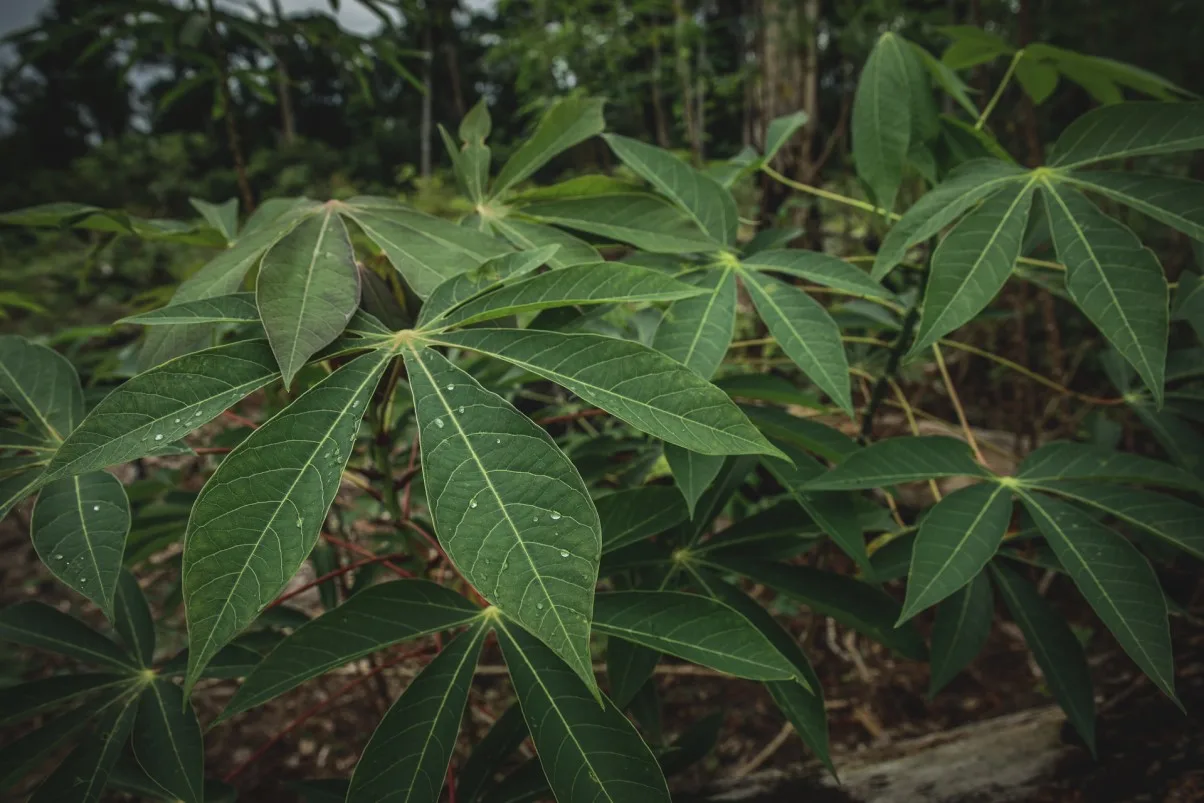
The International Day for Biological Diversity is celebrated on May 22nd, which is a time to consider the wide range of life forms and their vital role in maintaining the health of the planet and, by extension, of humankind. However, what is biological variety exactly? The range of life forms and the ecological roles they play at various organizational levels is referred to as biological diversity, or biodiversity (FAO 1989).
Why is it important to understand biodiversity?
The biological diversity of life on Earth is abundant, as are the benefits it offers, both internal and external, which are referred to as ecosystem services. The most well-known are the provisioning services, which encompass all that nature provides us with: food-grade fruits, raw materials like wood (used for tools, fuel, and construction), medicinal plants, fibers for textiles like clothes, and many more.
Likewise, biodiversity provides a vast range of regulating ecosystem services, such as: the capture and storage of CO2 by plant organisms, water recharge and regulation, which are essential for maintaining both ecosystems and human life, the production of oxygen, erosion control, and soil protection, among many others.
In addition, biodiversity also provides a range of cultural and aesthetic services that are often deeply rooted in our history and belief systems—especially those of Indigenous cultures still present today. These include myths and legends, sacred plants or places, and daily traditions. Other services relate to recreation and relaxation, such as ecotourism, landscape aesthetics, and extreme sports.
Finally, we find intrinsic values or supporting services – these are the ecological processes and functions that do not directly serve humans, but are essential to the maintenance of ecosystems and the long-term survival and evolution of biodiversity. Examples include nutrient cycling, trophic chains, biodiversity habitats, and ecological corridors, among many others.
How is Biological Diversity Assessed?
A comprehensive understanding of biodiversity requires analyzing its characteristics across different levels of organization. Regardless of the level, biodiversity is typically assessed based on three core attributes: its composition, meaning the identity and variety of elements present; its structure, referring to the spatial and temporal distribution of these elements; and its function, or the role each element plays within the ecological system.
Currently, four levels of biological organization are recognized: the genetic, the population, the community–ecosystem, and the landscape level. These are closely interconnected and together allow for a complete understanding of biodiversity (Noss, 1990).
Why is there so much biodiversity on the planet?
Living organisms have evolved in response to the environmental conditions and changes they have experienced over millions of years. Adapting to new and varied conditions across different regions of the world has led organisms to develop diverse mechanisms and strategies for survival. These evolutionary adaptations have given rise to the incredible variety of life forms we know today – variety that will likely continue to evolve in response to future environmental changes.
While many factors have driven these adaptations, the main environmental factors influencing biological diversity today include: latitude, which determines the amount of daily sunlight a place receives throughout the year; altitude, closely tied to temperature; precipitation, both in quantity and seasonal distribution; soil and geological conditions, related to the physical and chemical properties of soils such as nutrient availability; and lastly – but critically – human activity, the leading cause of biodiversity loss and climate change today.
Threats to Biodiversity
The extension of the agricultural frontier, which is the main cause of habitat degradation, is one of the biggest risks to biodiversity at the national level. The primary cause of forest degradation, selective logging of natural forests, comes next. Activities related to hydrocarbons and mining pose additional serious risks.
Strategies to Protect Biodiversity
There are several strategies for protecting, conserving, and restoring biodiversity. One of the most important and effective is the designation of protected areas, both public and private. This involves defining a specific area under a protection status – such as a National Natural Park – whose main objective is to preserve part or all of the biodiversity present in the area. In Colombia, this strategy is reflected in the National System of Protected Areas (SINAP), which includes various protection categories, each with specific objectives and management mechanisms.
Another relatively recent group of strategies involves environmental compensation mechanisms, which consist of voluntary or mandatory agreements between polluting entities and environmental protection organizations. Under these agreements, the polluting party commits to compensating for the environmental impact caused by its productive activities through the direct or indirect financing of environmental protection and conservation projects. These agreements may target one or more ecosystem components or services.
A clear example of these mechanisms is REDD+ projects (Reducing Emissions from Deforestation and Forest Degradation), which aim to reduce greenhouse gas emissions through actions that prevent deforestation and forest degradation, and indirectly contribute to the protection, conservation, and in some cases, restoration of biological diversity in the forest ecosystems where they are implemented.
Conclusion
Biological diversity is crucial to the proper functioning of the planet’s ecosystem (ecosphere). Nevertheless, a large part of it is currently under threat due to human activities. It is therefore essential that all people become aware of this situation and, from wherever they are, contribute by adopting new practices that help achieve the long-sought goal of sustainable development.
Diego Rueda
Technical Area Coordinator, Human Forest.
Bibliography
-
- FAO. (1989). Plant genetic resources: their conservation in situ for human use. Document prepared in collaboration with UNESCO, UNEP and IUCN. FAO, Roma.
-
- Noss, Reed. (1990). Indicators for Monitoring Biodiversity: A Hierarchical Approach. Conservation Biology – CONSERV BIOL. 4. 355-364. 10.1111/j.1523-1739.1990.tb00309.x.
- SINAP. (2024). Sistema Nacional de Áreas Protegidas. Available at: https://old.parquesnacionales.gov.co/portal/es/sistema-nacional-de-areas-protegidas-sinap/