
Social progress enabled by carbon finance
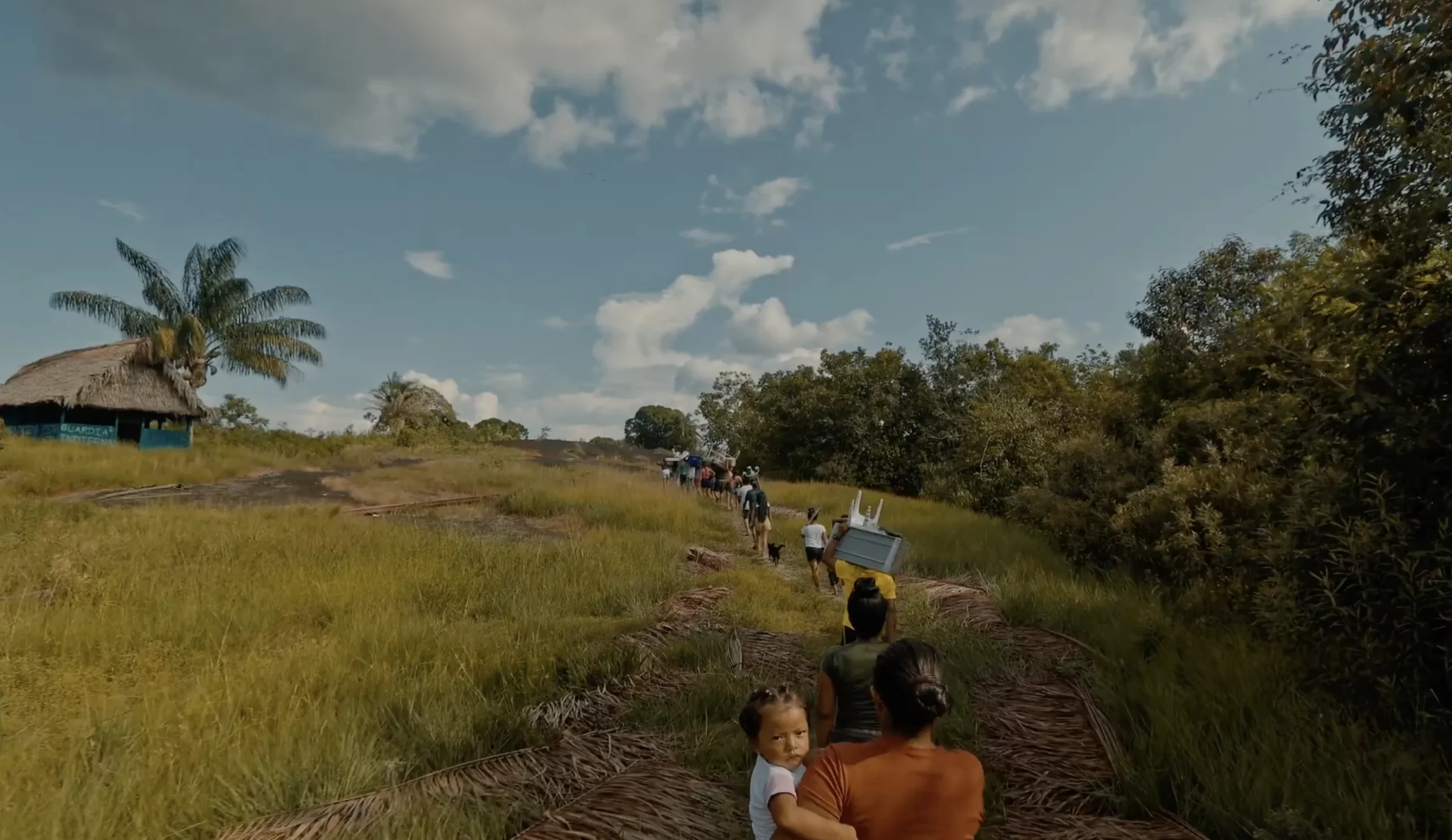
In the remote regions of the Amazon live some of the most marginalized communities in South America.
Help us breaking isolation and scarcity, supporting Indigenous self-determination, and protecting a cultural heritage deeply rooted in one of the world’s most important ecosystems.
Learn from those who benefit from our projects how we enable long-lasting transformation:
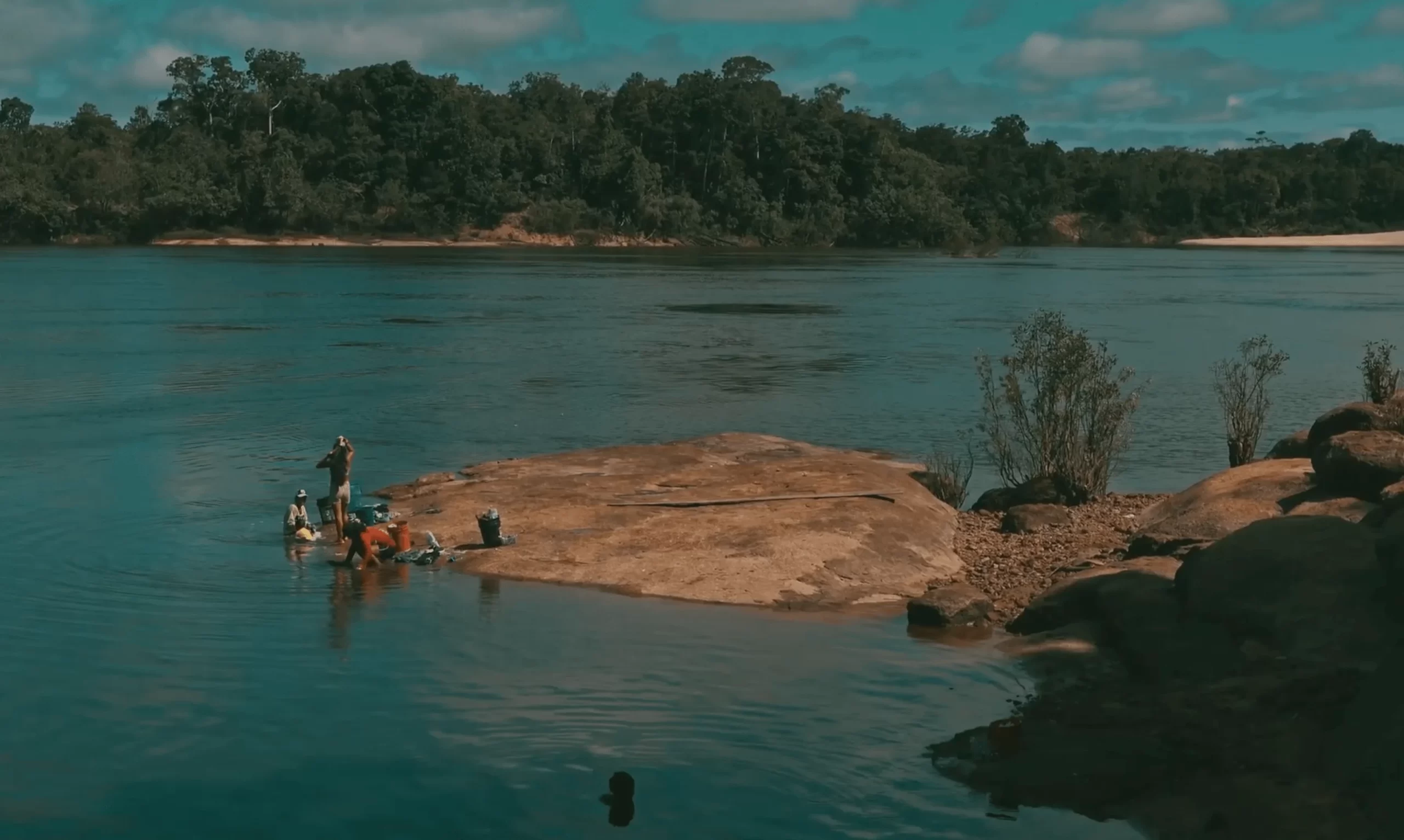
Culture, knowledge, and everyday life in the Amazon
Elders, language & spirituality
Indigenous peoples are deeply connected with the rainforest and consider themselves as Mother Earth’s children. Their heritage combines rituals, songs, and dances with Christian influences. Our projects help preserve this cultural identity: from ancestral medicine and languages to spiritual leadership and crafts. Elders pass on their knowledge, fostering resilience and continuity.
Handicrafts
Handicrafts reflect the deep bond between culture and nature. Using forest materials like vines, fibers, and clay, men and women create baskets, pottery, tools, and everyday items. These traditions preserve ancestral knowledge and provide income, keeping culture alive through craftmanship.
Food & sustainable agriculture
The communities rely on the forest for sustenance, cultivating staple crops like plantains, cassava, maize, and sweet potatoes while adhering to sustainable practices to prevent deforestation. Fishing and hunting remain essential food sources, deeply tied to cultural practices.
Family
Family life follows traditional roles. Women preserve language and crafts while men handle farming, fishing, and hunting, providing both sustenance and cultural continuity.
What our projects make possible
Before
- Extreme poverty and food insecurity
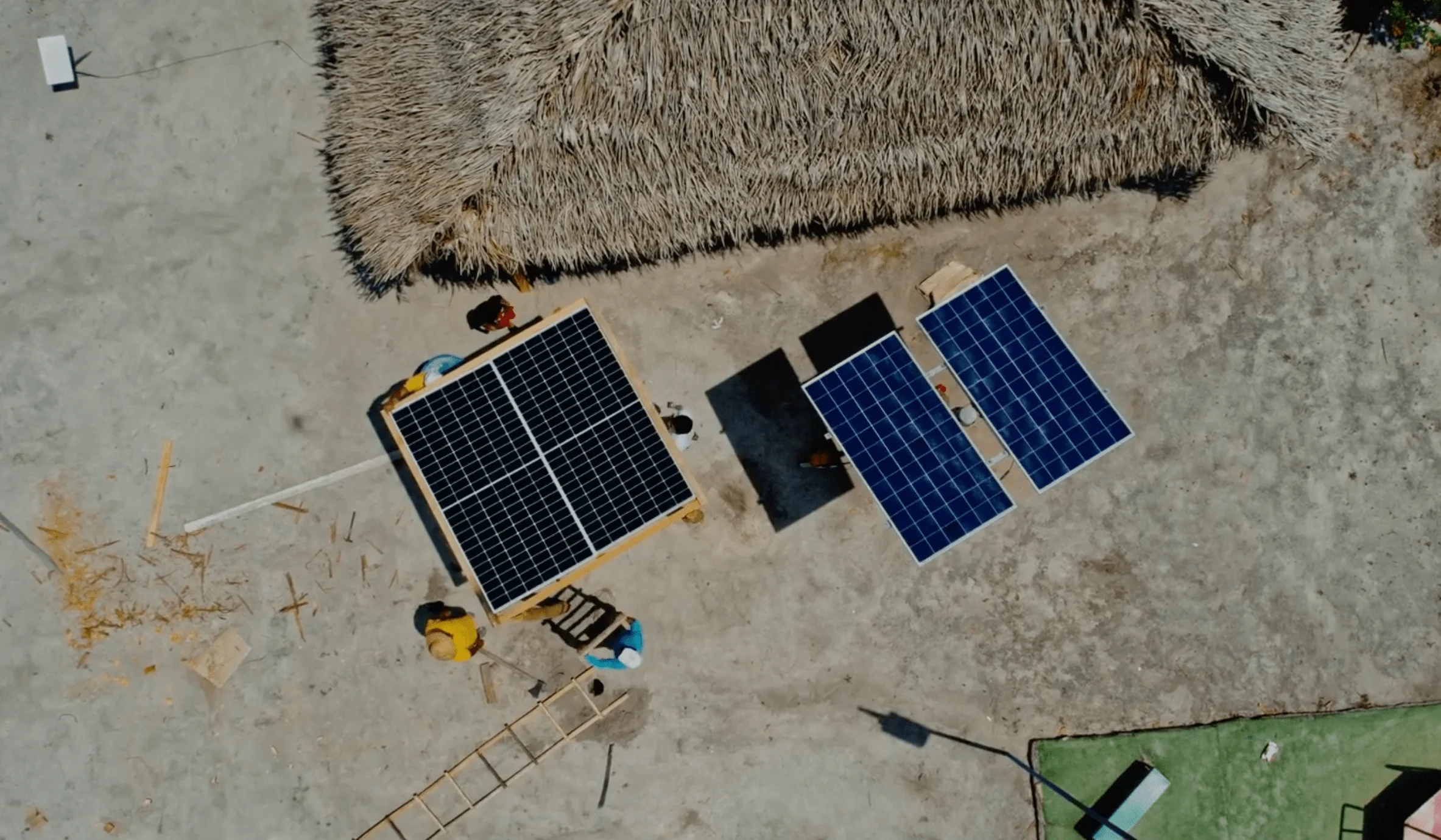
- Limited access to healthcare, tools, or energy
- Few economic opportunities, reliance on subsistence
- Almost no access to education beyond 5th grade or career pathways
After
- Community Cash Grant ensures families meet basic needs - hunger eradicated
- 15 development programs significantly improve social, economic, and environmental practices and standards
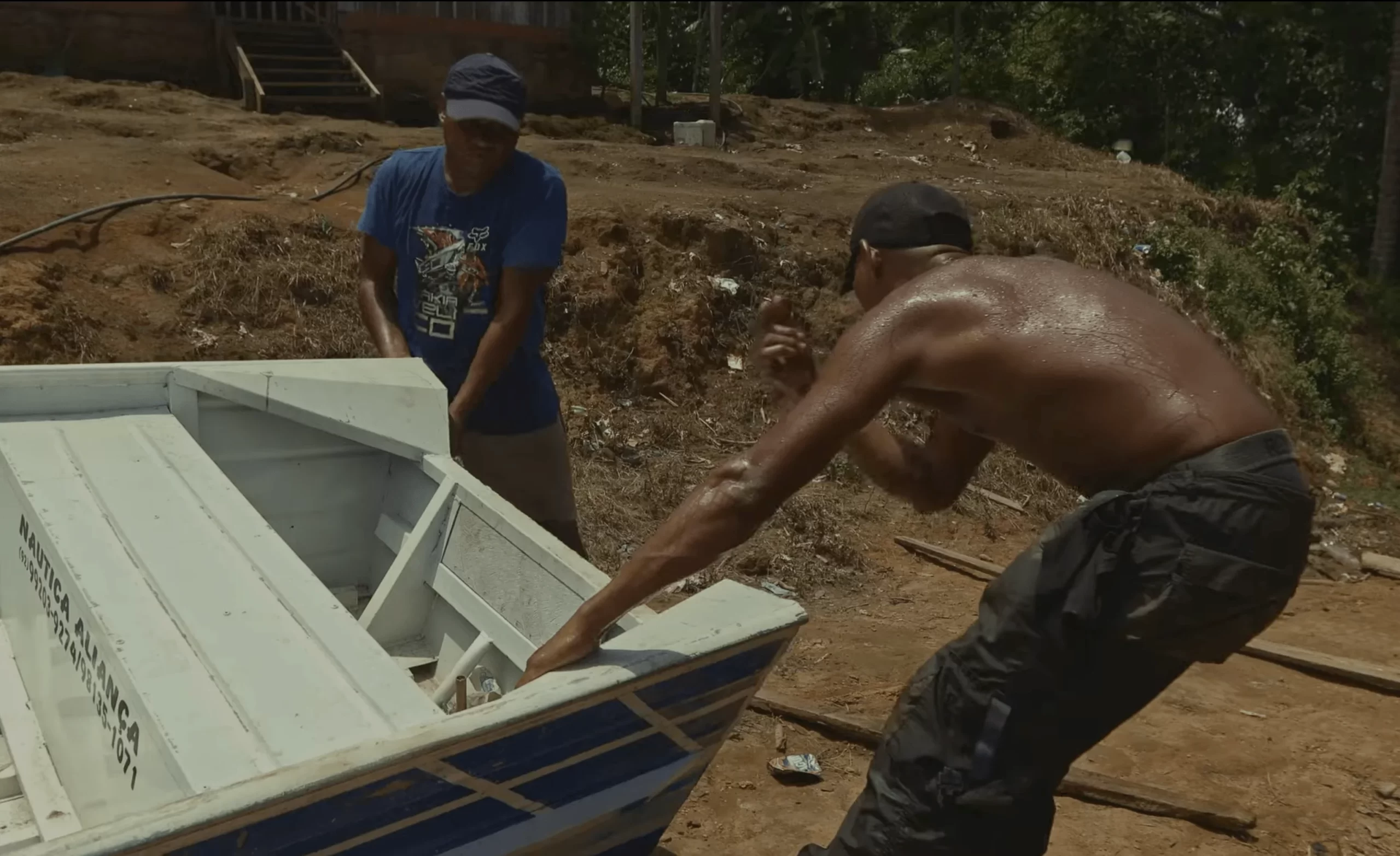
- Income-generating projects (like village shops) strengthen local economies
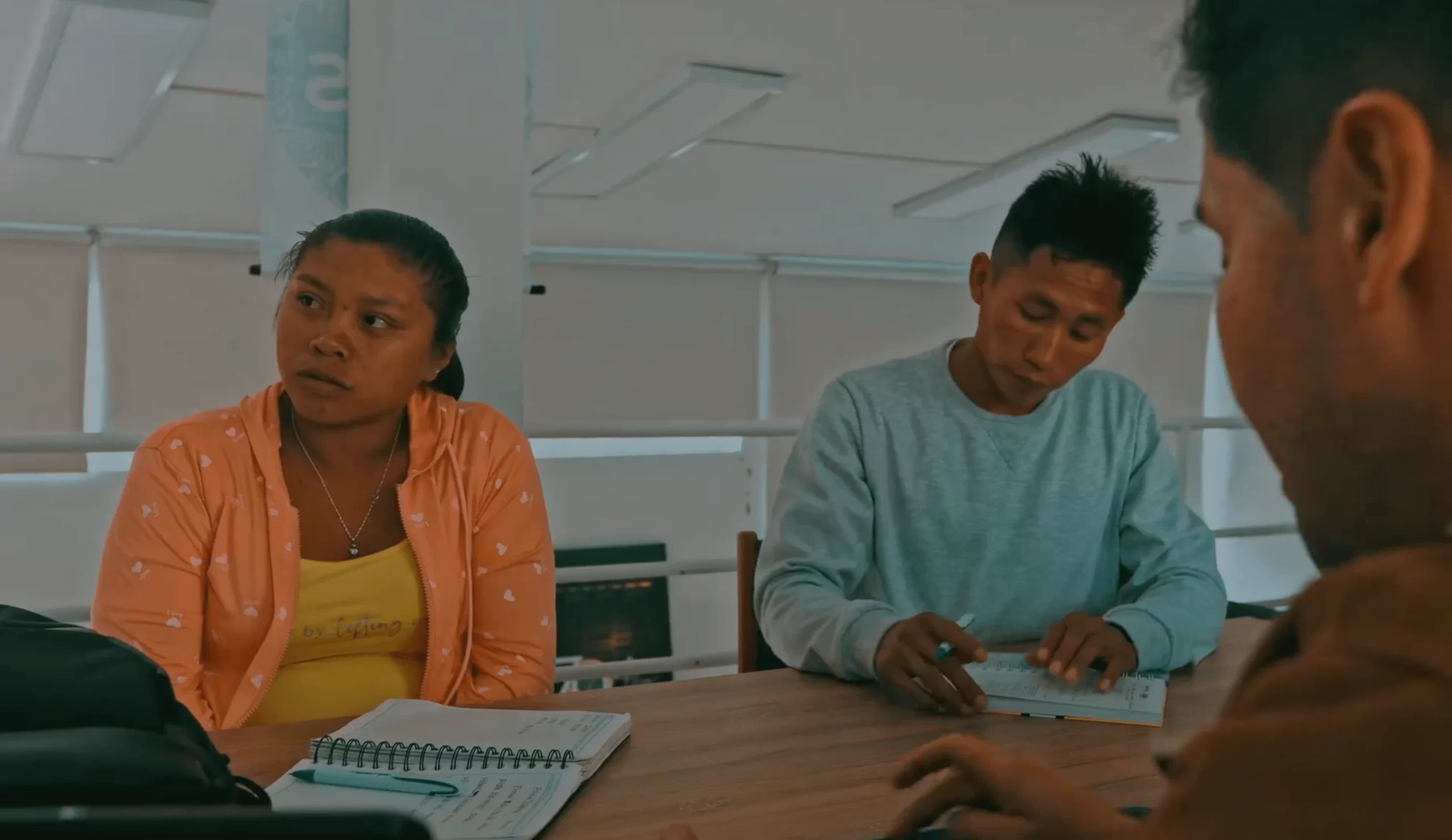
- University education and vocational training empower indigenous youth for leadership and employment
Reduce emissions and drive change
Protecting forests and biodiversity needs to go hand in hand with social change. Our projects create sustainable benefits for Indigenous communities.